
Leave the Light On
At a time when American women could not vote, one woman, Ellen S. Low, quietly claimed her place in maritime history in 1835 by becoming the first female lighthouse keeper in Barnegat Light, NJ. While the idea of guiding sailors through the night might sound mythical and romantic, life for Low at the light was anything but. Through the voice of reenactor Ellen Kehr, Coastal Living LBI found out what life was like for Ellen Low, a woman tasked with turning on the light.
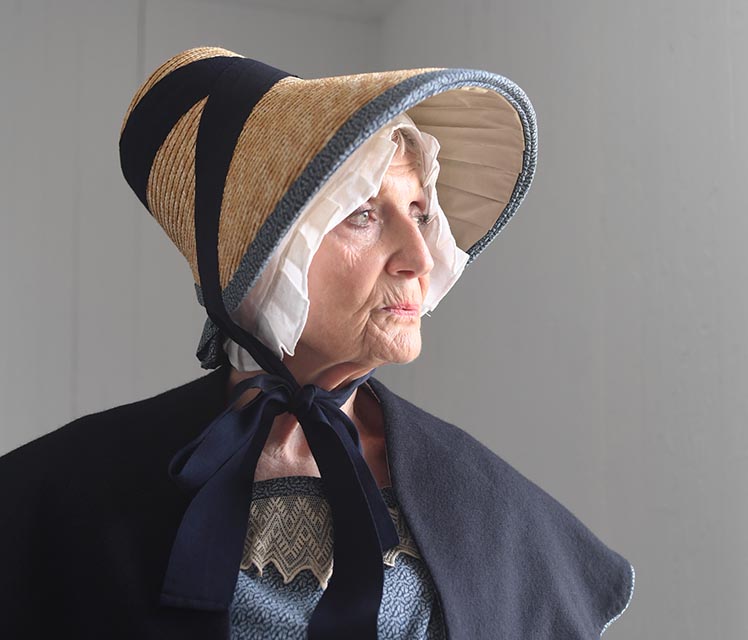
Coastal Living LBI: Tell us how you ended up on Long Beach Island, NJ
Low: My husband Henry V. Low and I were originally from New Brunswick, NJ. We came to Barnegat City because there were no jobs in New Brunswick. People were losing their jobs because there was some kind of crash called the Great Fire of 1835. We needed the money. In the past Henry had been a wood worker and he made chairs. He had a dry goods store, and he sold groceries. He owned a tavern and he was a justice of the peace. He then ended up being a surveyor. All in a span of not that long. But while he was a surveyor, he found out about this job as a lighthouse keeper. And I think because Henry was so adventuresome he wanted to try everything. That’s why we came here. We were partners. Wherever my husband went, whatever my husband did, I did too. So, we came here.
Three years after you arrived in Barnegat City your husband passed away leaving you alone. You took over for him as the lighthouse keeper. Were you aware that as a woman you were breaking any barriers?
Low: You must understand I was never officially appointed by the federal government as lighthouse keeper. After a husband’s death the widow of a lighthouse keeper could stay on at the station until a replacement was found. Maybe there were other ways to make a living, but I was here and I needed the money. I was fortunate I was allowed to stay on and work. I wasn’t looking to break any barriers. I never saw me as heroic or special. I was just grateful to have a job that gave me a place to stay. Bad things can happen anywhere. This was a new experience for me, but I did it because I had to.
Were you paid to take care of the lighthouse?
Low: I was. Was I being paid enough? No. That’s just the way it was.
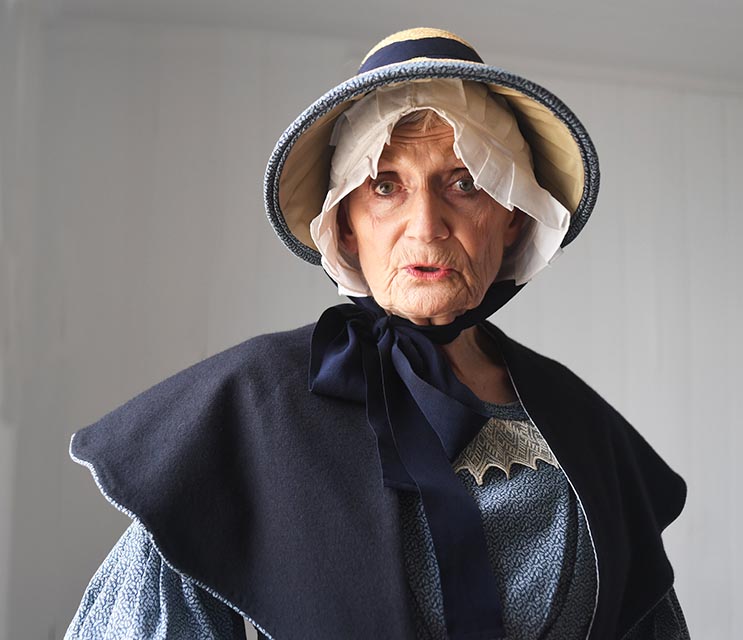
As a widow, how much of a toll did losing your husband take on you?
Low: When my husband was alive, we worked together. That’s what made this lighthouse keeper’s job doable and tolerable. I missed Henry of course. But after he died everything changed for me. When he took this job, he probably thought it was going to be easy and a romantic adventure. He had no idea about the isolation and how physically demanding this job could be, especially when you are doing it by yourself. It was a lot of work for one person. During the winter when I was by myself, I so hoped and wished for someone to talk to. This job was not designed for one person. I hope my husband enjoyed it before he passed away. I like to believe that Henry wouldn’t want to leave me here by myself.
What did you think about living in Barnegat City?
Low: Well, when my husband and I first got here Barnegat City was so different from where we came from. As I told you, we were city people from New Brunswick. I had a feeling it was going to be different, but I had no idea how much. Especially in the winter. It was so dark. The only light we had was the light that we were keeping lit from the lighthouse and candles of course. It was lonely. There were no church groups here. Nothing. At one time there were whalers here from Norway but by the time we got here they had pretty much left. Unless someone came here to fish or clam there was no one. If there was a shipwreck the Coast Guard would come here to help with the rescues and bring people back from the shipwreck. It was very rare if anybody ever came to visit.
When you got a chance to sit down at the end of the day what did you do?
Low: I would read. I slept when I could. But there wasn’t much of that. I had little time to myself. Every four hours or so I had to clean and polish the lens and fill the oil lamps to keep the lamps lit. The lamps were lit at night, and they had to be monitored all during the night.
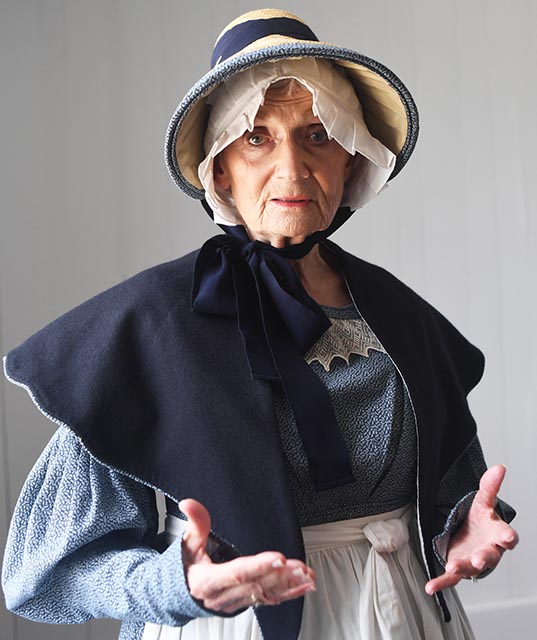
Be honest. Did you ever consider leaving this job and moving somewhere off the island. Or doing something else?
Low: Did I ever think about doing something else? Honestly, I don’t think I had time to reflect on that. I knew I wasn’t going home so I couldn’t really dream about another life somewhere else. When I was left behind here, I focused on the now, not the future and certainly not on the past years ago. I didn’t have much chance to go anywhere. Well, that’s not exactly true. Occasionally, I would go to Tuckerton, NJ to get mail. There was a post office there, but that’s about it. It was hard to find the time to get away. How did I handle this? I just did because I had to.
Is there something you would like people to remember about you?
Low: I didn’t run away. Despite the loneliness, the isolation and the hard work, quitting wasn’t an option for me. I stayed and I kept the lights burning.
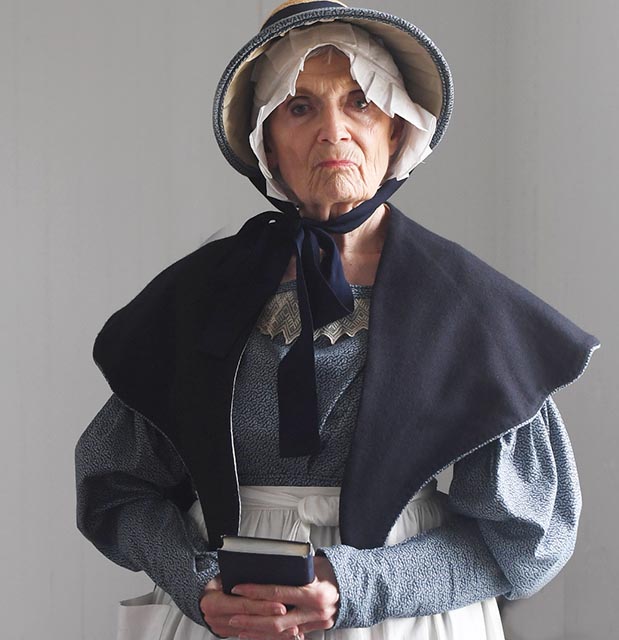
Images: Marjorie Amon