
Pass Me the Bottle Honey, I’m Comb
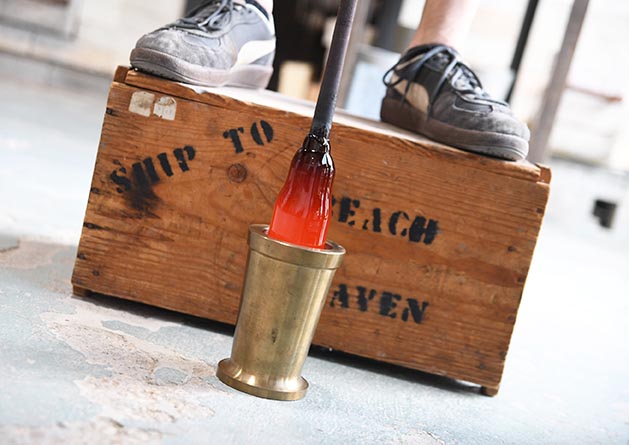
Although you might not think so, beekeeping and glass blowing have a lot in common.
Ask Jeff Ruemeli, an apiarist, or beekeeper for The Long Beach Island Foundation of the Arts + Sciences (LBIF) in Loveladies, NJ for the past six years. When he’s not tending hives, Ruemeli also teaches glass blowing at the Maker’s Station Gallery in West Creek, NJ.
“There is a sense of connection both disciplines have,” Ruemeli said. “You’re working with and observing elements of the natural world.”
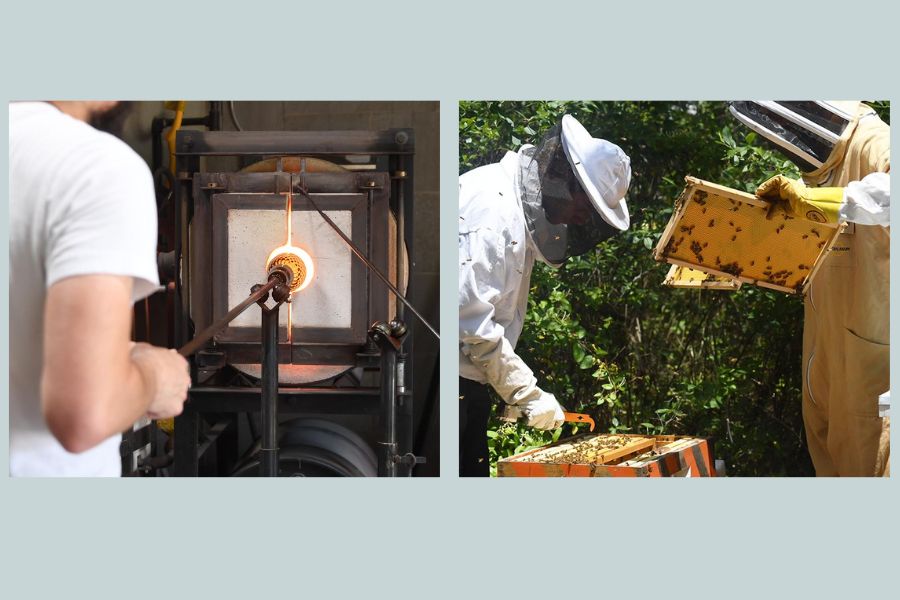
One element of the natural world for example is the sound that bees and molten glass make.
“Each one has a frequency of their own,” Ruemeli said. “But the hum of the bees is like the sound glass gives off while it is being blown.”
Hard work is something else beekeepers and glass blowers have in common.
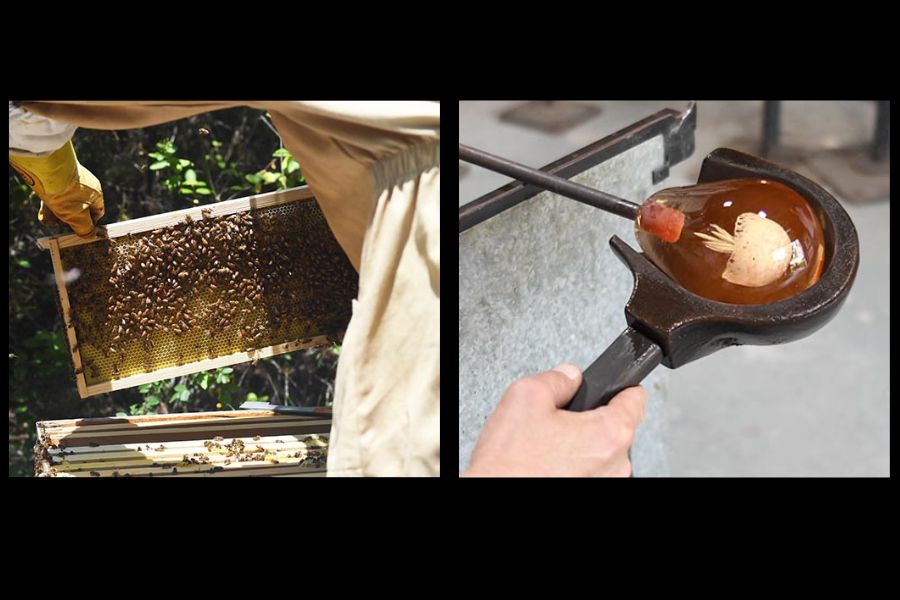
Honey farmers spend long days tending their hives to cultivate local honey in combs that are elegantly simple in design. Glass makers painstakingly shape molten glass by hand into artistic and functional forms.
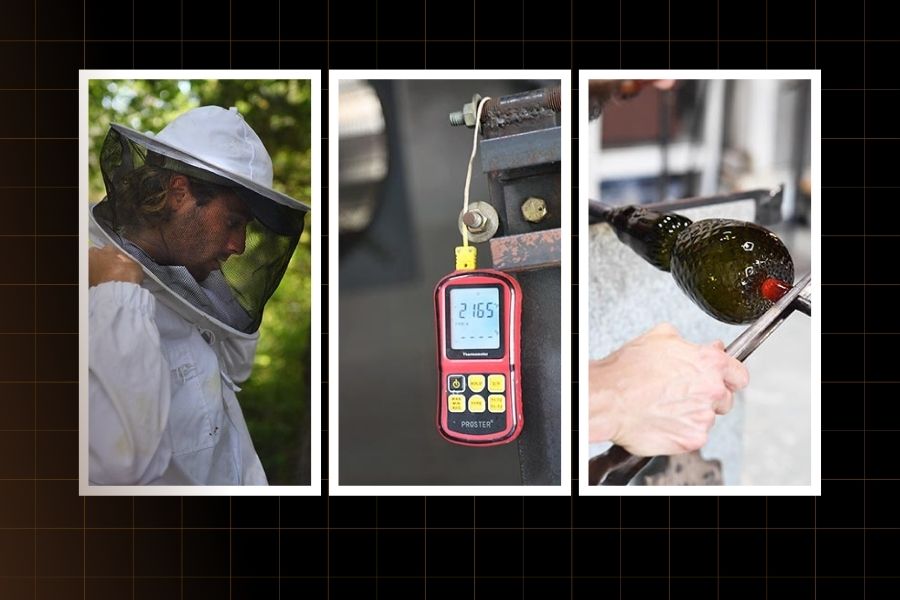
Often the efforts of their artisanship end up forming a connection. Ruemeli said the honey he harvests sometimes gets poured into the glass vessels he creates.
“Each is unique,” he said. “It’s a symbiosis of sorts.”
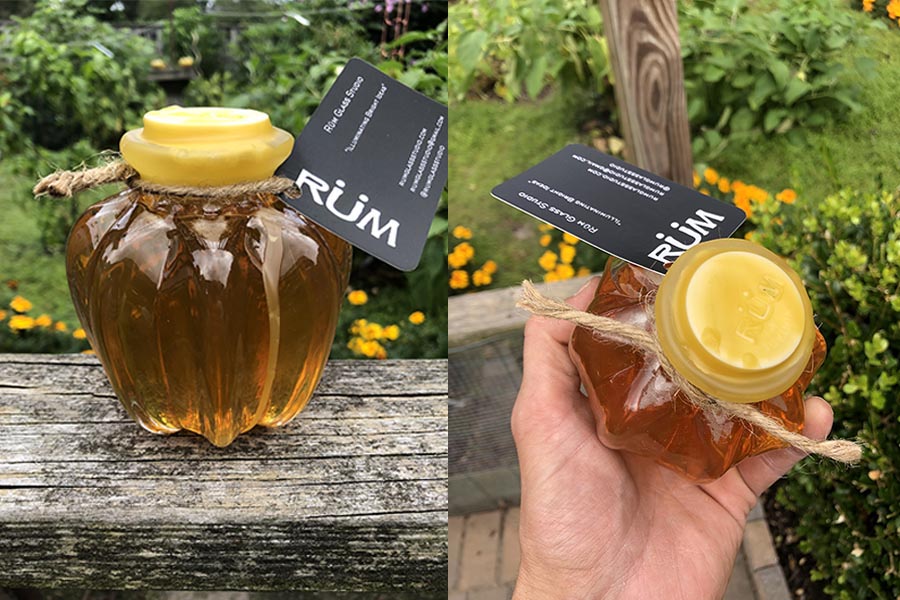
When it comes to heat, glass and honey are uniquely alike.
“You see a natural flowing movement with honey and molten glass,” he said. “There’s a dance that goes on which is beautiful. The flow of honey is almost the same as the viscosity of molten glass. Liquid glass and honey glass at high temperatures share the same properties. They move the same.”
Abiding respect for Mother Nature and the use of her natural materials is another thing beekeepers and glass makers have in common.
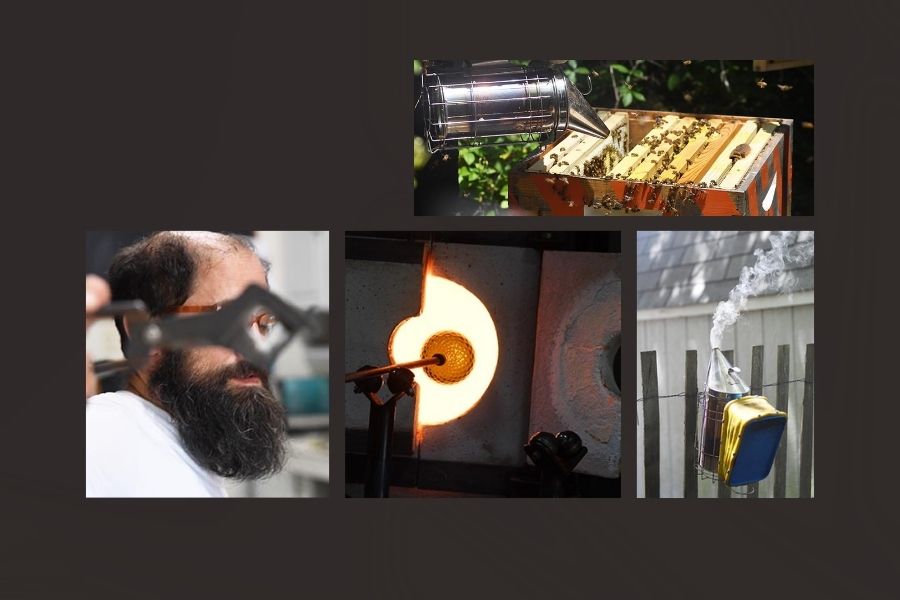
“Glass blowers will often use recycled glass or silica which is sand,” Ruemeli said. “Fifty percent of the world is silica. With bees you’re working with natural elements too. Getting honey depends on the weather. Of course, with glass I can tell it what to do but with bees the environment is going to tell them and me what to do.”
Safety is another issue both disciplines share.
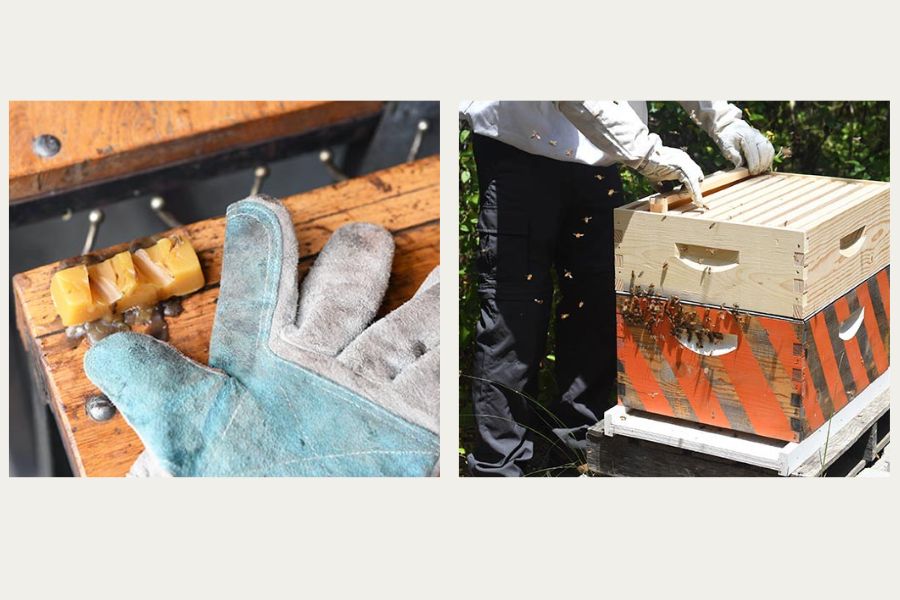
“With glass, you rely on high heat,” said Ruemeli. “With bees it’s sticky work in the heat and they are always following you. While it depends on the scope of the project, protective gear is sometimes important. In most cases, you must cover up and not mind feeling hot and clumsy.”
Both honey farmers and glass blowers rely on beeswax in their work.
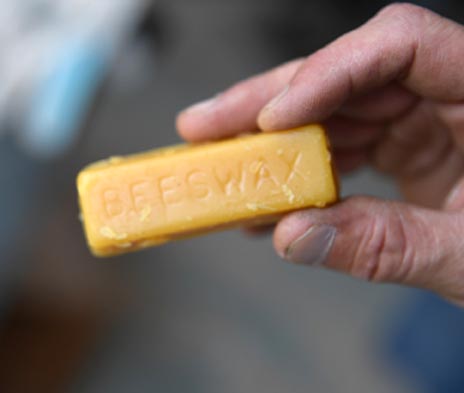
“Bees use honeycomb structures to store their honey and allow the queen a place to lay her eggs,” he said. “Glass artists use beeswax as a lubricant for their tools. It makes them glide smoother. It also helps with glass shaping and removing glass from molds.”
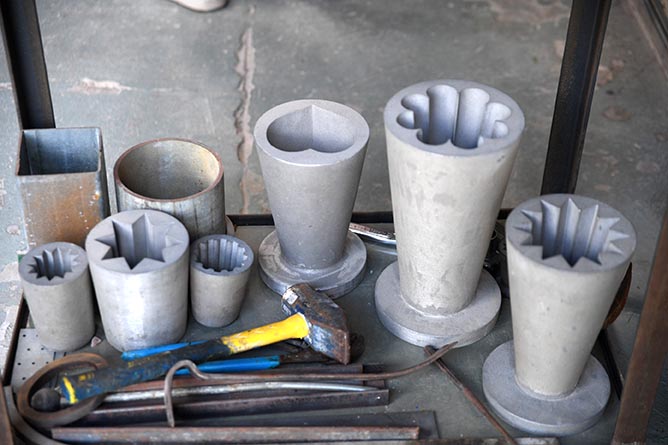
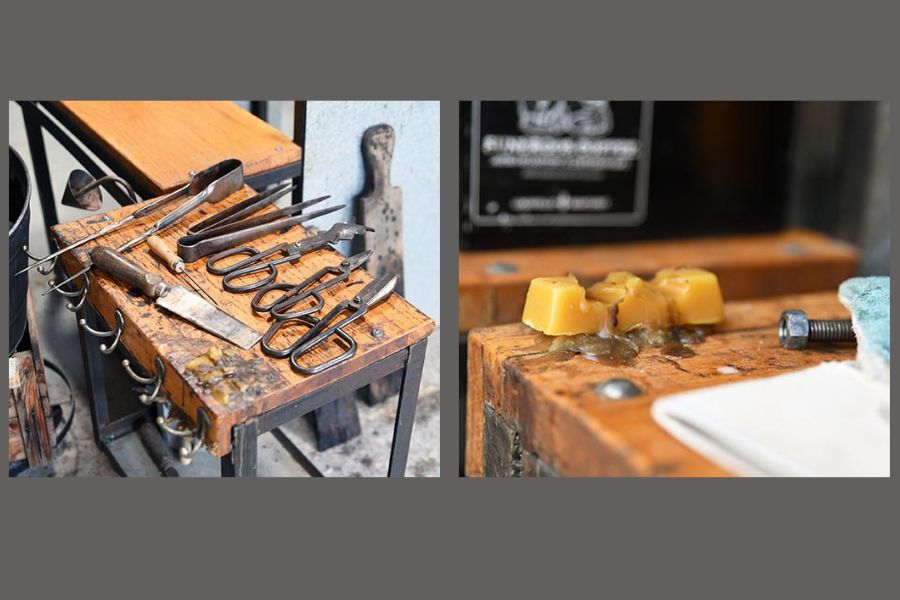
Ruemeli said beekeepers and glass blowers share a determined devotion to their craft that connects them to the world around them.
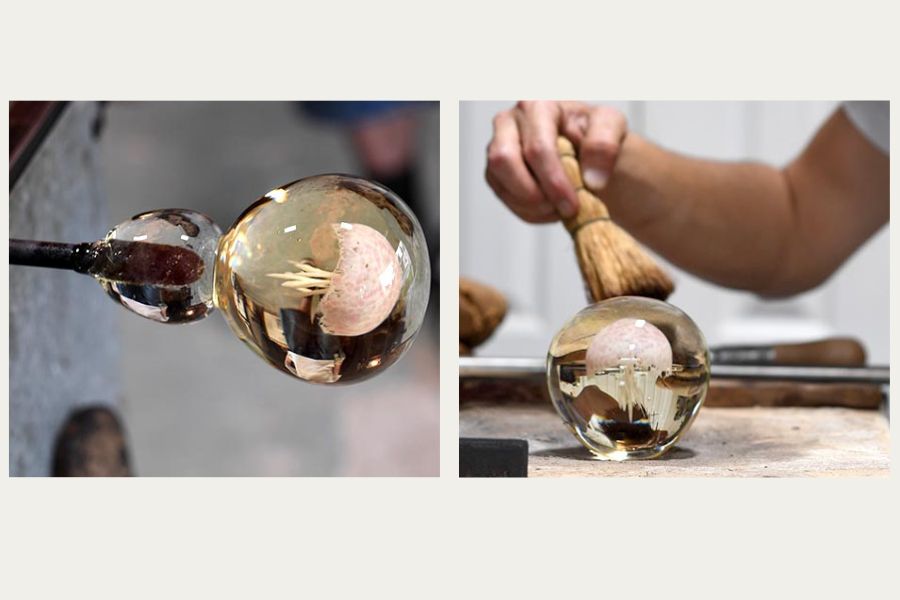
“Every honey harvest is a ton of work,” he said. “Every glass piece you shape is work. But like everything else in this world, the more you’re into what you do, the more everything connects with each other.”
Images: Marjorie Amon
Contact Information
Jeff Ruemeli
Instagram: @rumglassstudio
Email: ru************@***il.com