
Filmmaker Brendan Walsh Hits the Beach
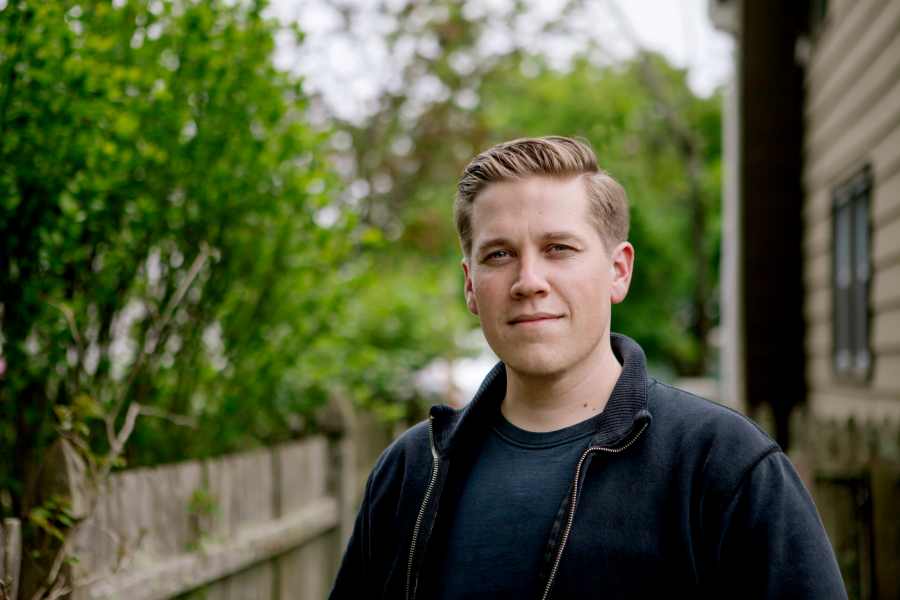
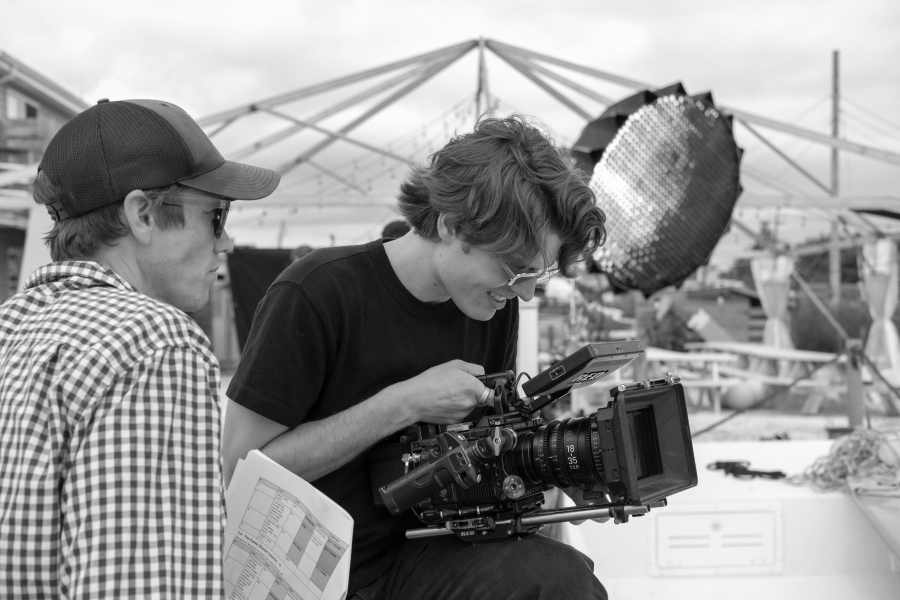
Brendan Walsh is a filmmaker and co-owner of Oak Leaf Media, a New Jersey based independent film company. His last two movies, Heavens to Betsy and The Vision Card were shot on Long Beach Island, NJ. Walsh, a resident of Tuckerton, NJ has ties to Long Beach Island that stretch back to his childhood summers here. He sat down with Coastal Living LBI for an in-depth discussion on his experiences making films on Long Beach Island, NJ, the pros and cons of the island becoming Film Ready and the perils of using a plastic dummy in cold weather.
(Editor’s Note: Heavens to Betsy is a film about a jaded, self-destructive woman on the verge of giving up on life (literally), who enlists a meek, end-of-life care worker as her reluctant companion on a chaotic, last-minute bucket list adventure.)
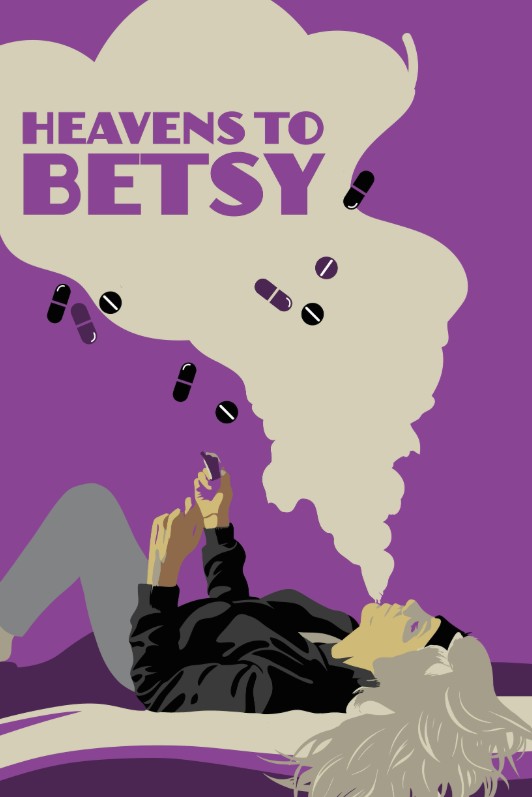
Coastal Living LBI: Tell us about Heavens to Betsy winning Best New Jersey Film Award at the 2026 Indie Street Film Festival. (ISFF)
Brendan Walsh: Yeah, well ISFF is a very cool festival. Tribeca Festival had reached out to us right before we won but they, like Sundance Film Festival and Toronto Film Festival, would only take world premieres. They don’t want films that have been shown anywhere else. Tribeca would have been a dream come true moment for us, but we couldn’t take it. But we got into Indie Street and that was awesome.
“Our short film Heavens to Betsy premiered in June at The Lighthouse International Film Festival on Long Beach Island, NJ. LIFF is a hidden gem and one of the best up and coming film festivals in America. The network of people that put it together and come to it, well if people like me didn’t have them, then there wouldn’t be people like me. LIFF genuinely loves films and they genuinely love the people who take the risk and take the time to make those films.”
Brendan Walsh
Besides Heavens to Betsy what else have you filmed here on Long Beach Island, NJ?
We’ve just finished The Vision Card. We pulled out all the big guns with that one. It features Julianna Margulies, Joanna Gleason, Lia Tipton, Michae Pare from Eddie and the Cruisers, Robert Clohessy from Blue Bloods, Bailey Toner who is also the director of the film, and Gabby Bryan, a New York standup comic. She’s the daughter of Bon Jovi keyboardist David Bryan. Just a little NJ news for you. We filmed that in February. I would say, almost half of it we shot here and we stationed our crew and our actors here. But we also shot in Waretown, NJ, and a little in Atlantic City. We just submitted The Vison Card to the Sundance Film Festival.
What led you to film Heavens to Betsy on Long Beach Island, NJ?
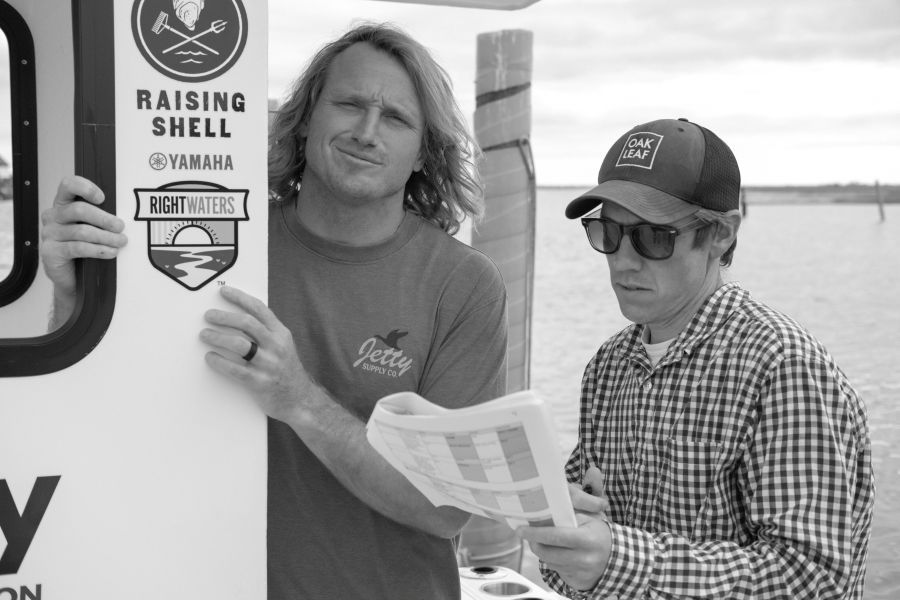
In the summertime we shoot for Real Estate Cinema, a NJ–based media company. That gave us access to houses to shoot in that we got for free. There’s a scene in the film that takes place at a diner. We looked at several locations. We looked at Dynasty Diner for a little bit, but we loved the look of the Dockside Diner and decided it was perfect for us. Christine Mundy, the owner, was an angel for us. We also love how the island shuts down here in the winter. None of the hustle and bustle of summer. Most of Heavens to Betsy was shot on LBI although we also shot in Parkertown, NJ.
Is there a formula you follow when it comes to choosing locations for your films?
Number two we rely on word of mouth for locations, but number one is what the script requires and what the behavior of the character in the script will be.
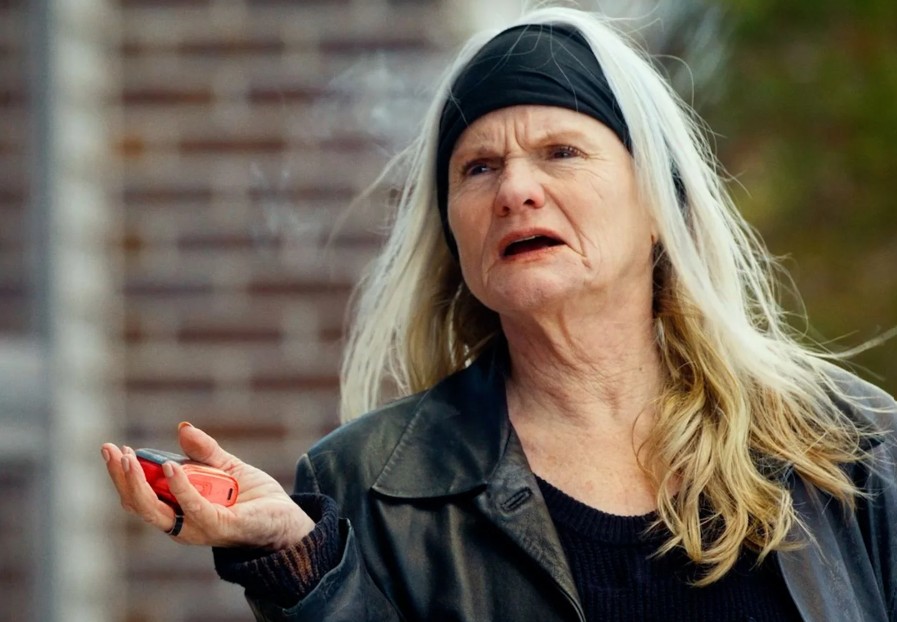
Speaking of characters, how did you come to cast Sarah Zinsser, the marvelous actress who plays Betsy, a woman on the brink of giving up on life.
Oh, did we get lucky with her! Sarah’s an Upper East Side New York girl who’s been a working actress for years. She came to us and had all these crazy stories about Arnold Schwarzenegger. We put up a casting call on Backstage Magazine and she was on there. We got all our actors from there. We don’t do a ton of local casting. Maybe we should but we’re on a budget and putting up listings on Backstage saves time and money. Yeah, maybe next time we’ll put an ad in The Sandpaper.
How did you come up with the idea for Heavens to Betsy in the first place?
I cannot take the credit at all for the movie. Co-owner and operator of Oak Leaf Media Dave Niziolekis is the one with the spectacular story idea brain.
Did you encounter any surprises or obstacles during the filming of Heavens to Betsy?
Yeah, there were two. The day we showed up to shoot at the Dockside there was massive road construction, and they had torn up the street. We couldn’t even wheel our gear into the place. There was a jackhammer going and it was so loud. It was at the beginning of the day and already we were in panic mode. Do we have to find another location immediately? The road crew was awesome though, super nice and accommodating but it still pushed production from day filming into the evening. We ended up lighting day for night for the scenes of the actors sitting at the table. It wasn’t the plan. Then there was the scene where we had to drop a plastic dummy from a roof. It was so cold. The dummy froze up and its nose broke off. There was a lot of figuring out what to do to not make the dummy look terrible in the edit.
What is your connection to Long Beach Island, NJ?
Well, I live in Tuckerton today. Growing up, my grandparents owned a house here on the island. I went to Pinelands Regional High School. I was president of the Thespian Society!
Do you have a favorite Long Beach Island memory?
Good question! For me, LBI kind of molds and melts into this blob of goodness. For me as a kid it would be going to Wida’ s and going to Nanny’s and Grandpa’s house for dinner. I have four kids and today it’s going to Fantasy Island with them.
As we’ve discussed, a growing number of NJ towns and municipalities are becoming part of the Film Ready New Jersey Program that requires municipalities to develop ordinances for commercial filmmaking. Do you think commercial filmmaking and local statutes go hand in hand?
Overall, there are more pros than cons to this. It clears your mind space when you’re making a film to know what the rules are. For years we were “shoot first ask permission later” but it’s always such a better experience having people know what you’re doing and if police presence is there it’s there in a good way. With Netflix investing this much money in NJ, and what they are putting in is massive, municipalities are going to want to be certified. For us the first step in making a movie is the story. Next, we assemble the team with a director who has a vision. Then there’s the budget. Getting a permit is part of that budget. Time is money. You need to know the cost and if a town isn’t Film Ready certified you must wait until the next town meeting to find out.
Filmmaking has led to towns and municipalities establishing permit systems that include fees. Obviously, this has an impact on a production company’s budget. Any feelings about this?
Honestly for us the fees here have never been outrageous. Of course, the further north you go the more expensive it is. We’re a business and we must feed our people so from my side the ordinances and fees can be scary. For small production companies this can almost be a deterrent. Municipalities do stand to make out financially. The Vision Card was just short of a million-dollar budget, and we hired cleaners and car repairs and catering. We ate on the island; we stayed on the island. We had Julianna Margulies stay at Hotel LBI in Ship Bottom.
Read: Lights, Action, Long Beach Island, NJ
Were you required to have a permit to shoot either of your films here on Long Beach Island, NJ?
For Heavens to Betsy, we reached out to Long Beach Township just to let them know we were there. For The Vision Card we got a permit from Surf City after the clerk put it in front of the governing body. We had 30 people on set, and we had to set up a bathroom, a place for cooking. We had unions involved. It was complex.
What was your experience like filming both of your movies on Long Beach Island?
Everyone was awesome and I have to say there has not been a township on this island that has not been super good to us. Not to single anyone out but Beach Haven let us park our grip trucks in front of the municipal building; they approved a massive trailer, even though we ended up not using it, outside of The Gables Inn and Restaurant where we filmed Julianna Margulies. Everyone has been accommodating from front to back.
Do you think Long Beach Island, NJ is or isn’t looking forward to becoming a filmmaking destination?
I can’t speak for the community but as a film maker I am excited about it if it happens. I can certainly see the other side of it though. Not every production is the quietest, sometimes damage happens. We were shooting in Jersey City, and we were told, hey Netflix was shooting in this same location about a month ago and the neighborhood is just about done with all of this. Working strange hours and putting up lights at night to make it look like daylight when there are people trying to get to sleep can be hard on residents.
Are you thinking about your next project yet and are there any future projects after that?
We are in the process of writing a film called The Apology Tour, a beautiful Texas road movie. But we write more than we could possibly produce and as we’re getting older into our 40s, we must consider what we are getting into. Short films don’t make money. The Vision Card took three years to make, and we need to make money.
What would be the most helpful thing you could say to anyone looking to get a start as an indie filmmaker?
Honestly, I would have to say I haven’t any specific advice I could give you because there’s not a single direct path to follow. I guess maybe I would need to say you should ask yourself what your goal is. Do you want to have a career as a filmmaker or do you just want to make a film. There are different answers to that. As my father used to say to me, you just need to do it. And like with anything else, sports, music, you only get good with practice. You just don’t turn on the camera and you’re Steven Speilberg.
Like it or not, AI is here. Has AI changed the game for you as filmmakers creating documentaries and indie films?
For sure. We use it a lot in business. And yes, we are very split about its use. We are very into it but then we think maybe AI is going to be the death of creativity. I use AI in my writing. Not to have it written for me but to organize my ideas. The thing is AI is changing so fast and we can’t ignore it. Things we are doing today I wouldn’t have been able to dream of last year.
As a producer and a director do you see a difference between making a film and marketing it?
Oh yeah. As a film maker you must also be a salesman. It requires effort and getting a door slammed in the face sometimes.
Is it hard to strike a balance between the two?
It feels like it can be a hindrance to your creative spirit but in the end it’s all about making the dream come true.
What is the biggest challenge you face as an indie film maker?
Just navigating the financial risk. Forgetting that historically as a profession, filmmaking is a bad investment.
What do you hope people will take away from your film Heavens to Betsy?
I hope to send a message to everyone that they should live for today.
If you could invite any four actors to be in your next film, who would you like them to be?
Just four? Tim Robbins, Conor O’Malley. Aidy Bryant, and Jon Benthal.
Contact Information
Oak Leaf Media
www.oakleafmedia.com
Instagram @oakleafmedia
Brendan Walsh
Partner/Producer
bw****@**********ia.com
Instagram @bdawalsh
740-317-4903